

Guides
Lens & Material Guide
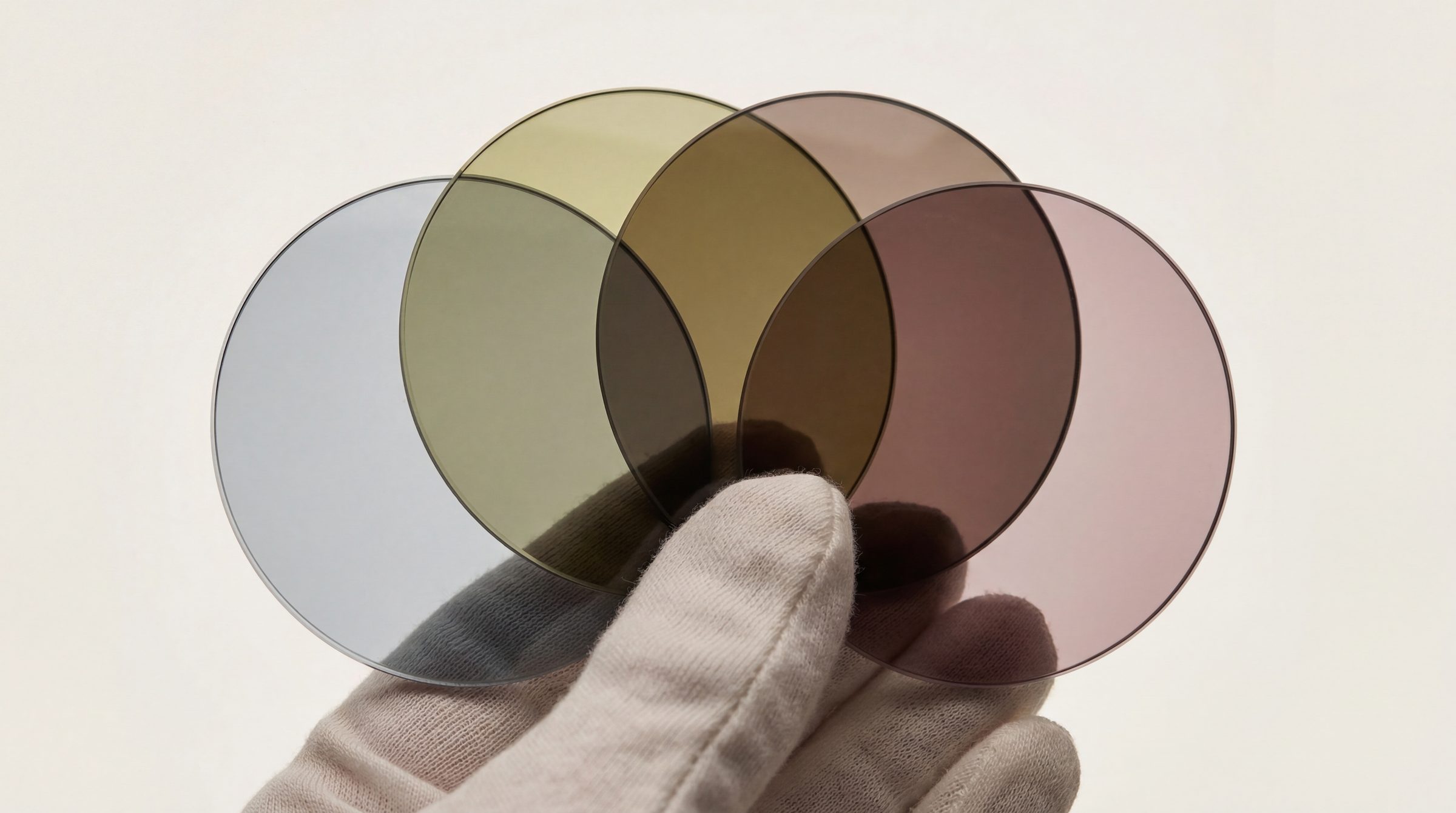
How a lens manages light and how a frame feels in use are central to choosing sunglasses. This guide explains the features and materials to consider.
Ultraviolet protection
UV protection helps reduce exposure to harmful ultraviolet radiation. Every frame in the current Lazell collection features UV400 protection.
Consult the details for the individual frame for the most accurate information about its lenses.
Lens darkness and filter category
The amount of visible light a lens transmits affects how it suits different conditions. Review the product’s lens information alongside the environments in which you expect to wear it.
Extremely dark lenses may not be appropriate for driving, depending on the applicable standards, labeling, and jurisdiction. Use the information provided for the specific lens when assessing suitability.
Polarization
Polarized lenses can reduce glare reflected from water, snow, glass, and roads. This can improve visual comfort in environments with strong reflections.
Lens features vary by style. Where polarization is offered, it is stated on the product page.
Coatings
Every frame in the current Lazell collection features an anti-scratch lens coating. Check the individual product details for its full lens and material information.
Coatings require gentle care. Avoid harsh cleaners and follow the cleaning guidance provided with your eyewear.
Acetate
Acetate offers depth, warmth, and color complexity, with a comfortable feel for daily wear.
Careful storage helps maintain its condition. Keep your sunglasses in their case and away from prolonged heat, including hot vehicles and radiators.
Metal components
Metal components contribute structural precision and stability. Keep them dry after exposure to moisture, sweat, or salt air.
If your frame feels uneven, loose, or misaligned, contact Customer Care for guidance.
Choosing for your day
For city wear, consider a balanced tint and a frame that works across your routine. Travel may call for greater glare control, while coastal or high-altitude conditions can make light management and visual comfort especially relevant.
Fit matters alongside lens choice. Consider coverage, stability, and how the frame feels over longer periods of wear.